 Skip to content

Kenya · Mount Kenya trekking
Mount Kenya Trekking
Guided treks to Point Lenana at 4,985 metres on the Sirimon, Naro Moru and Chogoria routes, with a mountain crew handling the logistics while you focus on the climb.
Routes
Sirimon, Naro Moru, Chogoria
Summit
Point Lenana, 4,985 m
Crew
Guides, porters and a cook
Best months
Jan to Feb, Aug to Sep
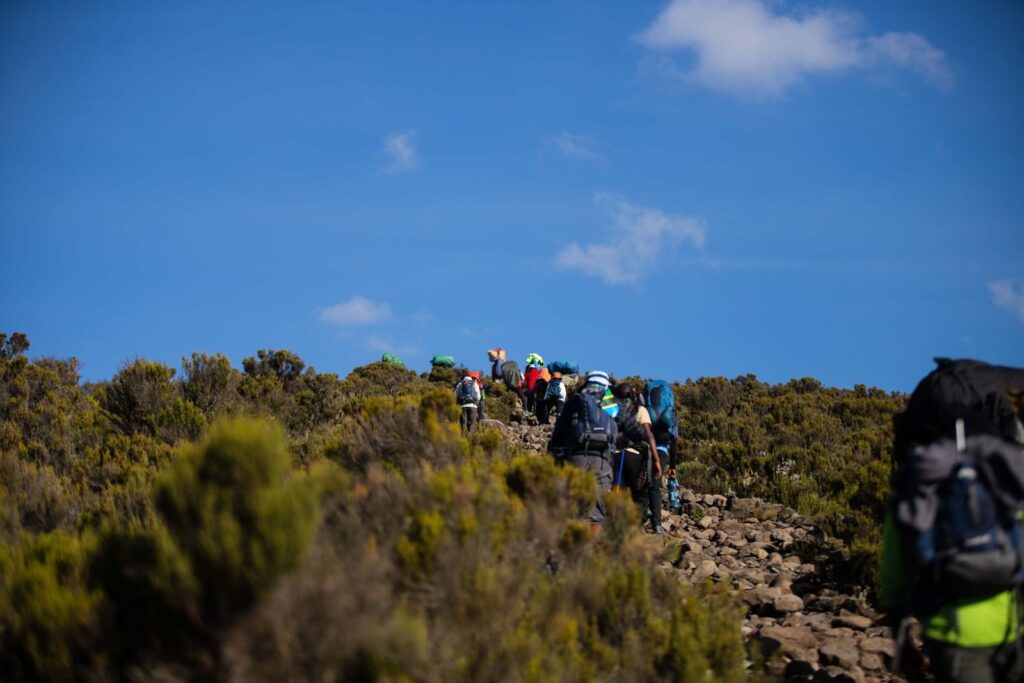
Summit day
An early start for sunrise at Point Lenana.
The mountain
Africa’s second-highest mountain
Mount Kenya rises from forest and bamboo to open moorland and glacier-carved valleys. Most trekkers aim for Point Lenana at 4,985 metres, reached on foot with no technical climbing.
Read more on our Mount Kenya National Park page, or pair your climb with a safari in Samburu or the Maasai Mara.
On the mountain
SirimonNaro MoruChogoriaPoint LenanaShipton’s CampLake Michaelson
All Mount Kenya treks
Choose your trek
Prices are per person. Inclusions vary by trek, so check each climb for its full list of what is and is not included.
- Mount Kenya, Nanyuki, Sirimon Route
- 5 Days 4 Nights
- Mount Kenya, Nanyuki, Sirimon Route, Chogoria Route
- 5 Days 4 Nights
- Mount Kenya, Naro Moru Route
- 5 Days 4 Nights
- Mount Kenya, Naro Moru Route, Chogoria Route, Batian Peak
- 6 Days 5 Nights
- Mount Kenya National Park (Point Lenana Summit - 4
- 5 Days / 4 Nights
- Mount Kenya
- 4 Days / 3 Nights
- Mount Kenya
- 5 Days / 4 Nights
- Mount Kenya
- 6 Days / 5 Nights
Where you will climb
One summit, three ways up
Every trek reaches Point Lenana. The route you choose shapes the scenery and the pace on the way.
Point Lenana
The 4,985 metre trekking summit, usually reached before dawn for sunrise over the peaks.
About Mount Kenya →
Sirimon route
A gradual climb from the north-west through forest and open moorland.
See treks →
Naro Moru route
The most direct way up from the west, steeper and faster.
See treks →
Chogoria route
Often called the most scenic, past gorges and mountain lakes on the eastern side.
See treks →
Why trek with us
A well-supported climb
Hover or tap a card to see how we support your trek.
Experienced guides
Mountain guides who know every route.
Porters and a cook
Carry less, eat well and climb better.
Three routes
Sirimon, Naro Moru and Chogoria.
Paced for altitude
Time to acclimatise on the way up.
Sunrise summit
Point Lenana at first light.
Add a safari
Finish with game drives in Samburu or the Mara.
How it works
From Nairobi to the summit
A guided trek keeps you safe and lets you focus on the climb.
01
Step 1
Choose a route
Pick Sirimon, Naro Moru or Chogoria, or ask us which suits you.
02
Step 2
Prepare and pack
Build your fitness and bring warm, waterproof layers.
03
Step 3
Meet your crew
Your guide, porters and cook take care of the mountain logistics.
04
Step 4
Summit at sunrise
A pre-dawn climb to Point Lenana for sunrise over the peaks.
Planning your trip
Before you climb
Preparation makes the summit far more enjoyable.
Good to know
Before you book
- No climbing skills are needed, but you should walk comfortably for several hours a day.
- Go slowly, drink plenty of water and tell your guide if you feel unwell.
- The driest months are usually January to February and August to September.
- Inclusions vary by itinerary, so check each trip for its full list.
What to pack
Pack light, pack smart
- Warm layers and a waterproof jacket.
- Gloves, a warm hat and sunglasses.
- A head torch with spare batteries.
- Broken-in hiking boots.
We confirm your route, crew and inclusions when you book.
Questions
Mount Kenya trekking questions
What to expect on a guided climb to Point Lenana.
How high is Point Lenana?
Point Lenana is 4,985 metres, the highest point on Mount Kenya reachable without technical climbing.
Do I need climbing experience?
No climbing skills are needed, but you should be comfortable walking for several hours a day.
Which route should I choose?
Sirimon is gradual, Naro Moru is the most direct, and Chogoria is often called the most scenic. We can help you choose.
How many days does the trek take?
Five days is the classic climb. Six days or more gives extra time to acclimatise.
When is the best time to climb?
The driest months are usually January to February and August to September.
What is included in the price?
It depends on the trek. Each climb lists what is included and excluded, and your quote confirms the details.
Point Lenana
Ready for the summit?
Tell us your dates and fitness level, and we will recommend the route that suits you best.
